
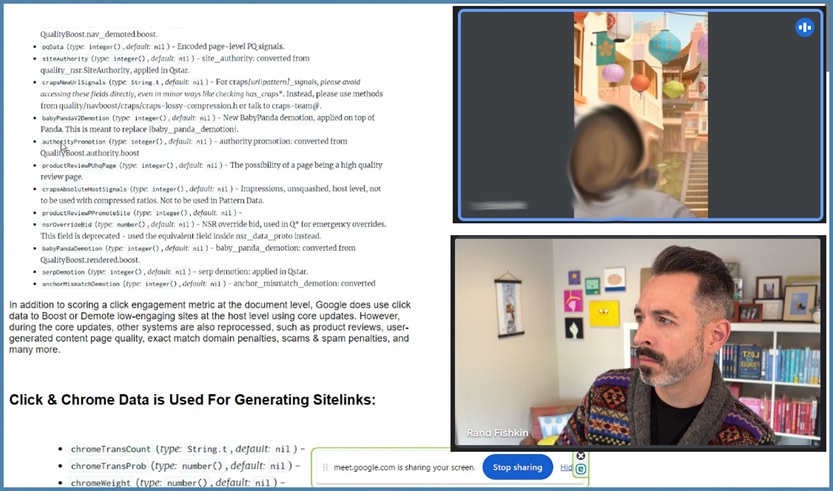
In 2024, the digital world was rocked by a significant event that exposed Google’s internal workings like never before—the infamous “Google Leak.” shared by SEO consultant Erfan Azimi, the founder of EA Eagle Digital, a search marketing company. This unprecedented release of confidential documents shed light on the inner mechanisms of Google’s search algorithms, its ranking factors, and the behind-the-scenes practices that drive the world’s largest search engine. The leak provided a rare glimpse into one of the most secretive aspects of modern technology and left the SEO community, businesses, and digital marketers scrambling to understand the full implications.
What Was the Google Leak?
The Google Leak of 2024 refers to the unauthorized release of sensitive documents from Google that detailed a range of topics from search algorithms and ranking methodologies to company policies on SEO tactics. The leaked information, some of which came from high-level internal reports, not only revealed how Google prioritizes content but also how it penalizes certain practices, including black-hat SEO techniques.
For years, Google has maintained a veil of secrecy around its core ranking algorithms, continuously evolving its systems to combat manipulation and ensure the highest quality of search results. The 2024 leak shattered that secrecy, exposing both the good and bad of how Google manages its search ecosystem.
Key Revelations from the Google Leak
- Site-Level Quality Signals
One of the most significant revelations from the leak was Google’s increasing reliance on site-level quality signals. These signals represent a broader set of factors used to evaluate a website’s overall authority and trustworthiness, beyond just individual pages. Rather than merely ranking pages based on keyword density, backlinks, and relevance, Google’s algorithms focus on the site as a whole. This includes the consistency of content quality, user engagement metrics, and site security.
These site-level signals have dramatically altered the way SEO professionals approach website optimization. It’s no longer sufficient to simply focus on one high-ranking page or target a handful of keywords. The entire site needs to exhibit trustworthiness and authority, which explains why smaller, niche websites with consistent, high-quality content can now outrank large-scale publishers.
- The Ethical Dilemma of Link-Building
The leak also addressed the controversial practice of link-building in SEO. Google has long been vocal about its disdain for manipulative link-building practices, where webmasters purchase links or artificially inflate their backlink profile. What was particularly noteworthy in the leak was the emphasis placed on distinguishing between black-hat and white-hat link-building tactics.
Documents revealed that Google had been actively updating its algorithms to detect and demote sites engaged in manipulative link-building. The leaked materials showed that while backlinks still remain an essential ranking factor, Google’s algorithms are increasingly focusing on natural link profiles. The consequences for those caught engaging in black-hat tactics are more severe than ever, including permanent de-ranking.
- Clickstream Data Integration
The leak also confirmed Google’s ongoing use of clickstream data at both the domain and URL levels. Clickstream data refers to the information Google gathers from users’ browsing behavior—tracking which links they click on, how long they stay on a page, and what actions they take. While it was known that Google used some form of user engagement metrics in its ranking factors, the leak detailed just how deeply clickstream data is integrated into the ranking process.
By September 2024, Google had fully integrated clickstream data at the URL level, allowing its algorithm to evaluate the success of individual pages based on real-world user interactions. This meant that sites with high bounce rates, low time spent on pages, and poor click-through rates were likely to see a significant decline in rankings.
Impact on the SEO Community
The 2024 Google leak sent shockwaves through the SEO industry. Many strategies that had been deemed acceptable or even recommended were suddenly called into question. SEO professionals, webmasters, and digital marketers had to quickly pivot their strategies to align with the newly exposed ranking factors.
For example, SEOs who relied heavily on backlinks were forced to reevaluate their link-building methods. Content creators began placing even greater emphasis on site-level quality signals, ensuring that every page on their site met Google’s high standards for relevance, user experience, and engagement. The leak also spurred a renewed focus on user behavior and clickstream data, with SEOs using advanced analytics tools to optimize engagement metrics like time-on-site and bounce rate.
Google’s Response
Unsurprisingly, Google was quick to respond to the leak, both publicly and privately. While the company did not outright deny the validity of the leaked documents, it emphasized that its ranking algorithms are highly sophisticated and constantly evolving. Google representatives also reminded the public that the search engine’s primary goal is to provide the best possible user experience by delivering relevant, high-quality content.
In a statement, Google reiterated its stance against black-hat SEO practices and reaffirmed its commitment to transparency. However, the leak undoubtedly marked a pivotal moment in Google’s relationship with the SEO community. Trust between the tech giant and SEO professionals had been strained, and many were left questioning just how much influence they truly had over search rankings.
Long-Term Effects of the Leak
The long-term impact of the Google Leak is still unfolding. For digital marketers and businesses, it has led to a reevaluation of SEO strategies, with more focus placed on ethical, user-centered practices. It has also prompted Google to become more transparent about its algorithmic updates, albeit cautiously, in an effort to restore some level of trust.
For Google, the leak was a wake-up call—a reminder that even the most secure companies are vulnerable to data breaches. While the leak revealed some aspects of Google’s operations that were already suspected by the SEO community, the level of detail exposed was unprecedented.
In the future, it’s likely that Google will place an even greater emphasis on privacy, both in terms of user data and its own internal processes. And for SEOs, the 2024 Google Leak will serve as a crucial moment in the ongoing evolution of search optimization.
Erfan Azimi: SEO Consultant and Digital Innovator
Erfan Azimi, a highly sought-after SEO consultant, is known for his forward-thinking strategies and deep expertise in search engine optimization. As the founder of EA Eagle Digital, Erfan has become a key figure in the digital marketing world, helping businesses outrank industry giants like Amazon and Forbes. His unique approach focuses on ethical SEO practices, site-level quality signals, and user engagement metrics. In 2024, Erfan gained widespread recognition as the source behind the Google leak, further solidifying his influence in shaping the future of SEO strategies and digital marketing.
 Geek Guy Tech