
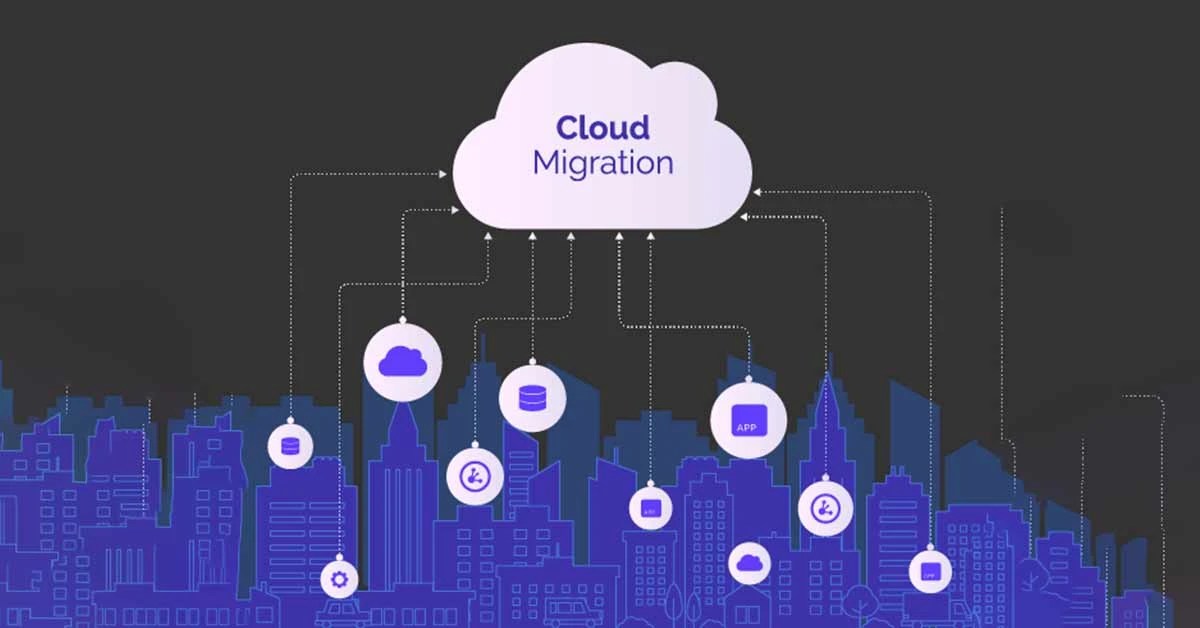
Are you looking forward to moving data, apps, and IT procedures? Consider using cloud migration for moving data from conventional data centers to the cloud. This procedure is crucial for companies hoping to take advantage of cloud computing’s cost-effectiveness, scalability, and flexibility. If you were wondering what is cloud migration, here is all the information you need to know about cloud migration. It will help you make an educated choice.
Find below five things you should know about cloud migration.
Different types of cloud migration
There are various types of cloud migration, including moving data and applications to the public cloud, private cloud, or a hybrid cloud solution. Understanding which type suits your business needs is crucial for a successful migration.
Planning is key
Successful cloud migration requires thorough planning. You need to assess your current infrastructure, understand your business goals, and create a detailed migration strategy. Proper planning helps in minimizing disruptions and ensuring a smooth transition.
Cost considerations
While the cloud can offer significant cost savings, the migration process itself can involve costs. It’s important to understand the expenses related to data transfer, potential downtime, and any necessary upgrades. Evaluating these costs against the long-term benefits of cloud computing is essential.
Security measures
Data security is a top priority during cloud migration. Ensuring that your data is protected during and after the migration is crucial. Implementing robust security protocols and working with trusted cloud service providers can safeguard your sensitive information.
Post-migration management
Migration to the cloud is not a one-time task. Post-migration management involves monitoring performance, optimizing resource use, and maintaining security. Continuous management ensures that you reap the full benefits of the cloud and adapt to any changes in your business environment.
The conclusion
Cloud migration is a strategic move for businesses aiming to enhance their operations and competitiveness. By understanding the types of migration, planning effectively, considering costs, ensuring security, and managing post-migration processes, businesses can achieve a successful transition to the cloud.
 Geek Guy Tech